Funded by the European Union. Views and opinions expressed are however those of the author(s) only and do not necessarily reflect those of the European Union or the European Education and Culture Executive Agency (EACEA). Neither the European Union nor EACEA can be held responsible for them.
6.3 Build Flexible Plant-Based Menu Options
Estimated learning time
3 to 5 minutes
Flexible menu products help businesses adapt to changing customer demand, seasonal ingredients and different sales channels.
A flexible product can often:
work across multiple meals
support seasonal changes
fit retail and food service
reduce waste
improve ingredient use
support limited editions
Examples include:
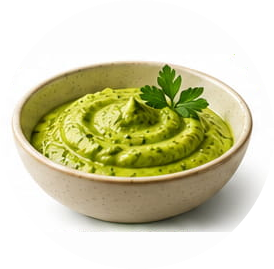
sauces used across multiple dishes
shared ingredients between menu items
seasonal soup bases
adaptable grain bowls
frozen product components
modular toppings or fillings
Flexibility can reduce pressure on stock management because ingredients and products can support more than one use.
It can also improve operational efficiency by simplifying:
production
storage
purchasing
menu rotation
ingredient planning
Build Flexible Plant-Based Menu Options
WrapsLunch
Grain BowlsLunch
SoupsSoup base
One Core Ingredient • Many Uses
ToppingsTopping
SnacksSnack
Food ServiceFood service
Flexibility Can Help:
Reduce waste
Simplify storage
Support seasonal menus
Improve ingredient use
SME TipBuild products that work across multiple menu uses.
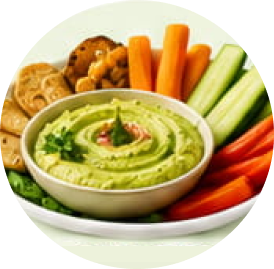
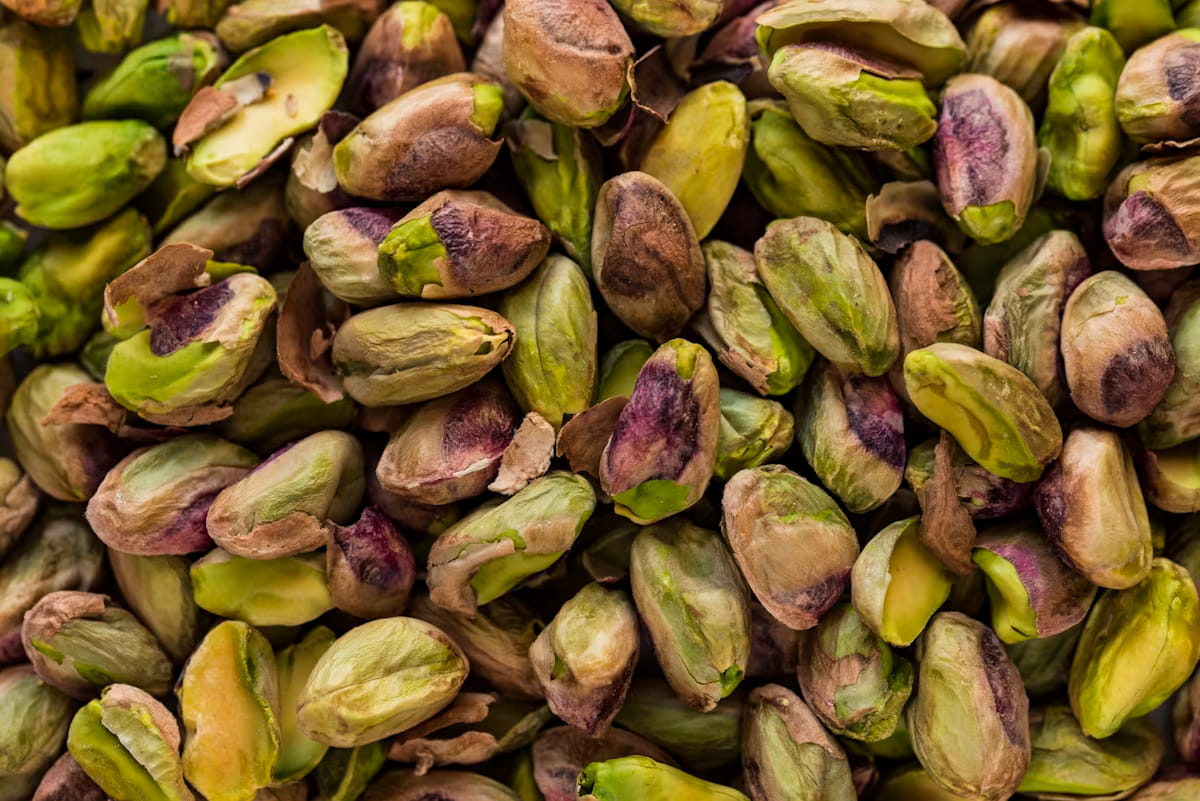
Green Beat is a Spanish plant-based brand focused on healthier snack and ingredient products built around pistachios and Mediterranean ingredients.
The example is useful because the business combines flexible ingredients with strong branding and simple product positioning. The products fit multiple use occasions incluing snacks, toppings and food service applications.
The lesson is to build products that can adapt across customer needs and sales opportunities.
Key takeaway:
Flexible menu products can improve efficiency, reduce waste and support changing customer demand.
Practical advice
Choose ingredients that support multiple uses.
Reduce unnecessary menu complexity.
Review whether ingredients can work across different products.
Accessing this course requires a login. Please enter your credentials below!
Logging in is only required of you would like to track your progress and receive our Plant Power certification.
Enter your credentials below to begin tracking your progress.
We use cookies to ensure that we give you the best experience on our website. If you continue to use this site we will assume that you are happy with it.





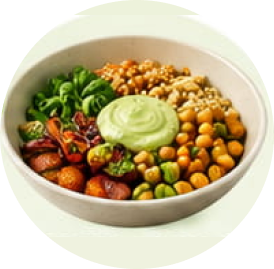

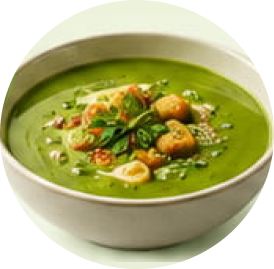
 One Core Ingredient • Many Uses