Funded by the European Union. Views and opinions expressed are however those of the author(s) only and do not necessarily reflect those of the European Union or the European Education and Culture Executive Agency (EACEA). Neither the European Union nor EACEA can be held responsible for them.
6.2 Design Menu Products Around Real Eating Habits
Estimated learning time
5 to 7 minutes
Customers often choose meals quickly. A successful plant-based menu product should fit naturally into how people already eat during work, travel, family meals or convenience occasions.
Strong menu products often support:
fast preparation
simple storage
easy serving
familiar ingredients
flexible use
repeat purchase
Customers may avoid products when:
preparation feels confusing
flavour expectations are unclear
portion sizes feel unrealistic
ingredients feel unfamiliar
the product seems difficult to use
Build Menu Products Around Real Eating Habits
Daily Eating Journey
1
Quick Lunch
Grab-and-go
→
2
On the Move
Easy to carry
→
3
Family Meals
Familiar flavours
→
4
Light Evening Meals
Simple & satisfying
Customers Avoid Products When:
Too complicated
Unclear flavour
Difficult to prepare
Unrealistic portions
Strong Menu Products Should Feel:
Familiar
Convenient
Easy to understand
Easy to repeat
SME Tip
Design around real meal occasions, not trends alone.
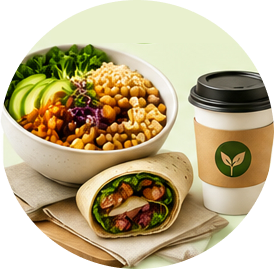
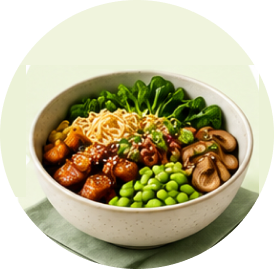
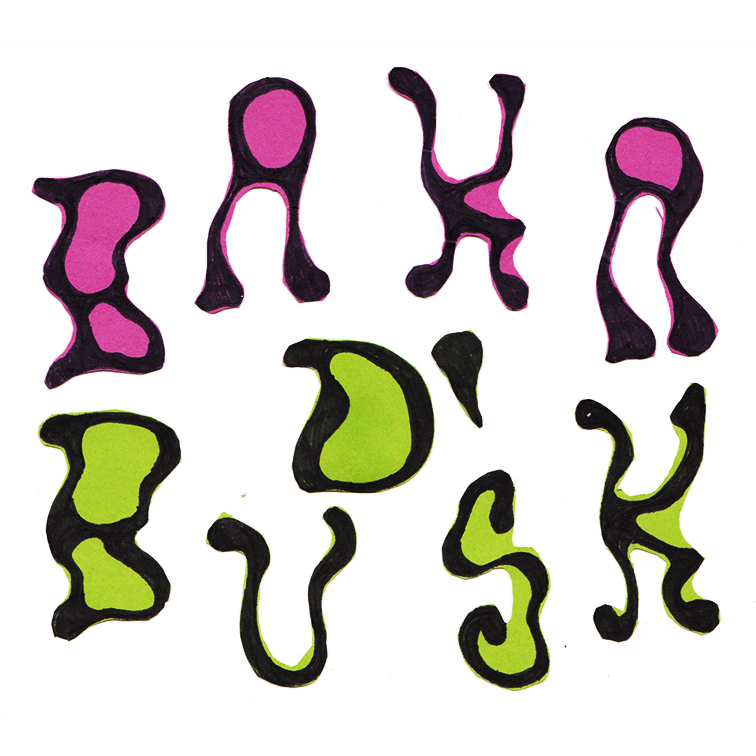
Baka d’Busk is a Danish plant-based food concept focused on creating flavour-led dishes using vegetables, seasonal ingredients and Nordic food influences. The business presents plant-based meals in a way that feels approachable, modern and connected to everyday dining experiences.
This example works well because it shows that successful plant-based menu products are often built around familiar eating habits rather than extreme dietary positioning. The meals are designed to feel attractive, satisfying and easy to choose, even for customers who are not fully vegan or vegetarian.
The example also highlights how presentation, flavour and simplicity influence customer choice. Plant-based meals are more likely to succeed when customers immediately understand:
what the dish is
how it fits the menu
what flavours to expect
when they would choose it
The lesson is to build menu products around real dining occasions and familiar customer behaviour. Products that feel practical, appealing and easy to enjoy are often more successful than products that feel overly niche or complicated.
Key takeaway:
Menu products are stronger when they fit real customer routines and eating habits.
Accessing this course requires a login. Please enter your credentials below!
Logging in is only required of you would like to track your progress and receive our Plant Power certification.
Enter your credentials below to begin tracking your progress.
We use cookies to ensure that we give you the best experience on our website. If you continue to use this site we will assume that you are happy with it.