Funded by the European Union. Views and opinions expressed are however those of the author(s) only and do not necessarily reflect those of the European Union or the European Education and Culture Executive Agency (EACEA). Neither the European Union nor EACEA can be held responsible for them.
5.2 Reduce Food Waste and Create More Value
Estimated learning time
5 to 7 minutes
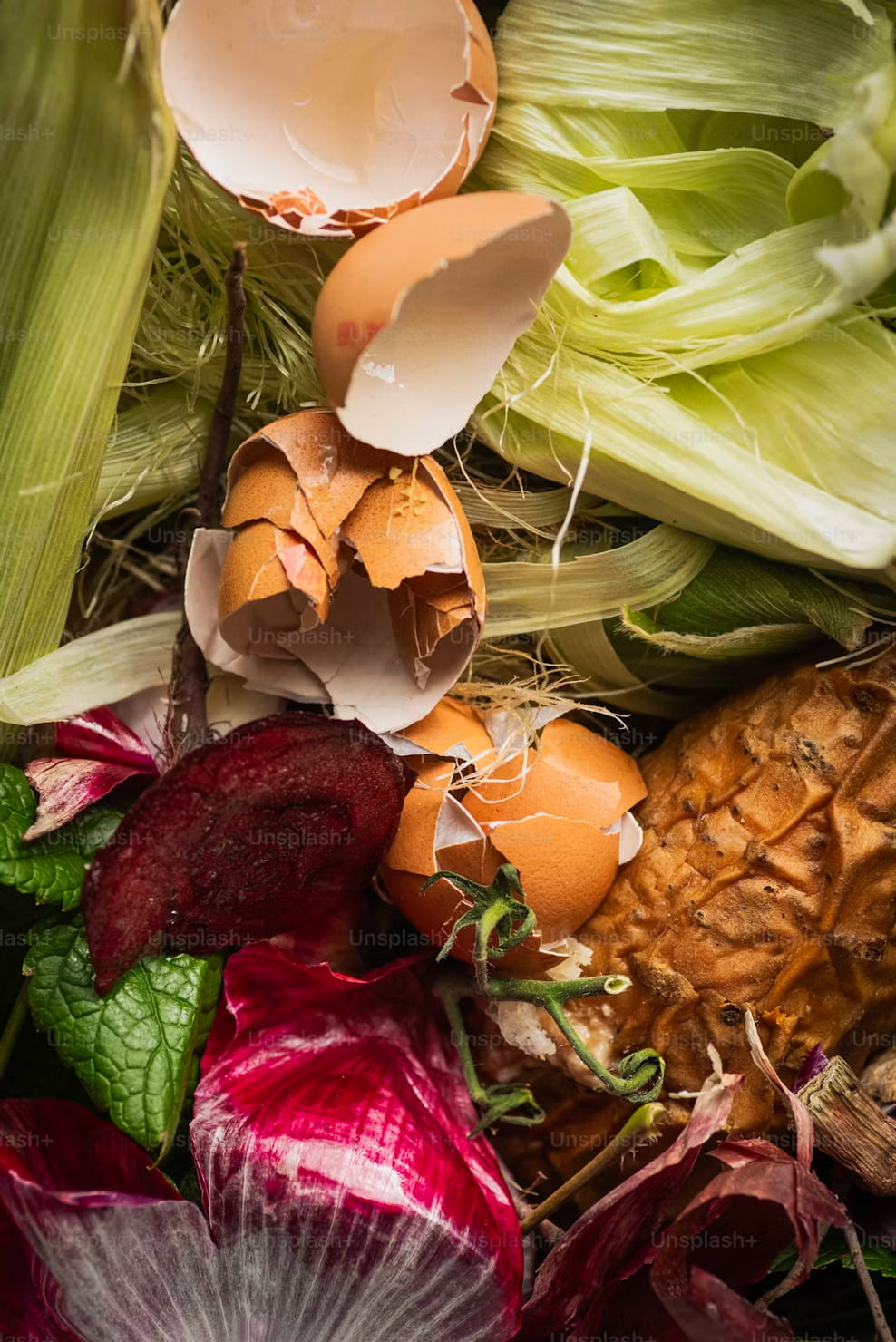
Food waste affects profit, production planning and environmental impact. In plant-based food businesses, waste can happen at many stages: ingredient storage, preparation, processing, packaging, transport, retail display or customer use.
Reducing waste does not always require a new product. It may begin with better stock control, smaller batch sizes, improved storage, clearer date labelling or better use of surplus ingredients.
A useful first step is to identify where waste happens most often. Is it caused by over-ordering, short shelf life, damaged packaging, poor storage, trimming losses or unsold stock? Once the waste point is clear, the solution becomes easier to choose.
Waste reduction can support:
lower costs
better stock control
stronger sustainability performance
improved product planning
new product ideas
stronger customer trust
Possible actions include:
using trim or surplus in sauces, soups or fillings
freezing ingredients before quality declines
improving portion sizes
adjusting production schedules
donating safe surplus food
creating limited-edition products from seasonal surplus.
Reduce Food Waste and Create More Value
Small changes in how you plan, store and use ingredients can reduce waste, save money and build a stronger business.
Why Reduce Food Waste?
Lower costs
Better stock control
Stronger sustainability performance
Improved product planning
New product ideas
Stronger customer trust
Where Waste Can Happen
Ingredient Storage
Preparation
Less Waste More ValueEvery step makes a difference
Processing
Packaging
Transport & Distribution
Retail & Customer Use
Practical Actions You Can Take
Use trim or surplus in sauces, soups or fillings
Freeze ingredients before quality declines
Improve portion sizes
Adjust production schedules
Donate safe surplus food
Create limited-edition products from seasonal surplus
Practical Advice For Your Business
Track one type of waste for one week.
Identify whether waste happens before, during or after production.
Review whether surplus ingredients can be reused safely.
Build waste reduction into production planning.
Key Takeaway
Reducing waste can improve sustainability, lower costs and create new value from ingredients already in the business.
FoodCloud, Ireland - turning surplus food into social and environmental value
FoodCloud is an Irish social enterprise that connects food businesses with charities and community groups to redistribute surplus food. Its work shows how digital tools, partnerships and practical systems can reduce edible food waste while supporting communities.
This example is useful because it shows that waste reduction can be organised, measurable and beneficial beyond the business itself. Surplus food does not always need to become landfill or loss. With planning, it can become a resource.
The lesson is to track surplus clearly and decide what can be prevented, reused, sold differently or donated safely. This makes waste reduction part of operations, not only a sustainability statement.
Key takeaway:
Reducing waste can improve sustainability, lower costs and create new value from ingredients already in the business.
Practical advice
Track one type of waste for one week.
Identify whether waste happens before, during or after production.
Review whether surplus ingredients can be reused safely.
Accessing this course requires a login. Please enter your credentials below!
Logging in is only required of you would like to track your progress and receive our Plant Power certification.
Enter your credentials below to begin tracking your progress.
We use cookies to ensure that we give you the best experience on our website. If you continue to use this site we will assume that you are happy with it.










 Ingredient Storage
 Preparation
 Processing
 Packaging
 Transport & Distribution
 Retail & Customer Use