Funded by the European Union. Views and opinions expressed are however those of the author(s) only and do not necessarily reflect those of the European Union or the European Education and Culture Executive Agency (EACEA). Neither the European Union nor EACEA can be held responsible for them.
5.1 Connect Plant-Based Products to Real Sustainability Goals
Estimated learning time
5 to 7 minutes
Sustainability is strongest when it connects directly to everyday business decisions. Plant-based products can support lower-impact food systems, but the benefit depends on how ingredients are sourced, processed, packaged, transported and sold.
A product should not rely on broad sustainability language alone. Customers and buyers increasingly expect claims to be clear, realistic and linked to evidence.
Plant-based innovation can support sustainability when it improves both environmental impact and business performance. Reducing spoilage can lower costs and emissions. Using seasonal ingredients can improve freshness and reduce pressure on long supply chains. Improving packaging can protect the product while reducing unnecessary material.
The key question is: what practical change makes the product or process more sustainable and more useful?
Sustainability can connect to:
lower waste
efficient ingredient use
responsible sourcing
better packaging choices
shorter supply routes
improved shelf life
lower energy or water use
clearer customer communication
Sustainability Starts With Practical Decisions
Responsible sourcing
Efficient production
Better packaging
Shorter transport
Longer shelf life
Lower waste
Small Changes • Real Impact
Lower cost
Less waste
Stronger trust
Practical Actions Can Support:
Better efficiency
Reduced waste
Lower costs
Stronger customer trust
SME Tip
Focus on one realistic sustainability improvement at a time.
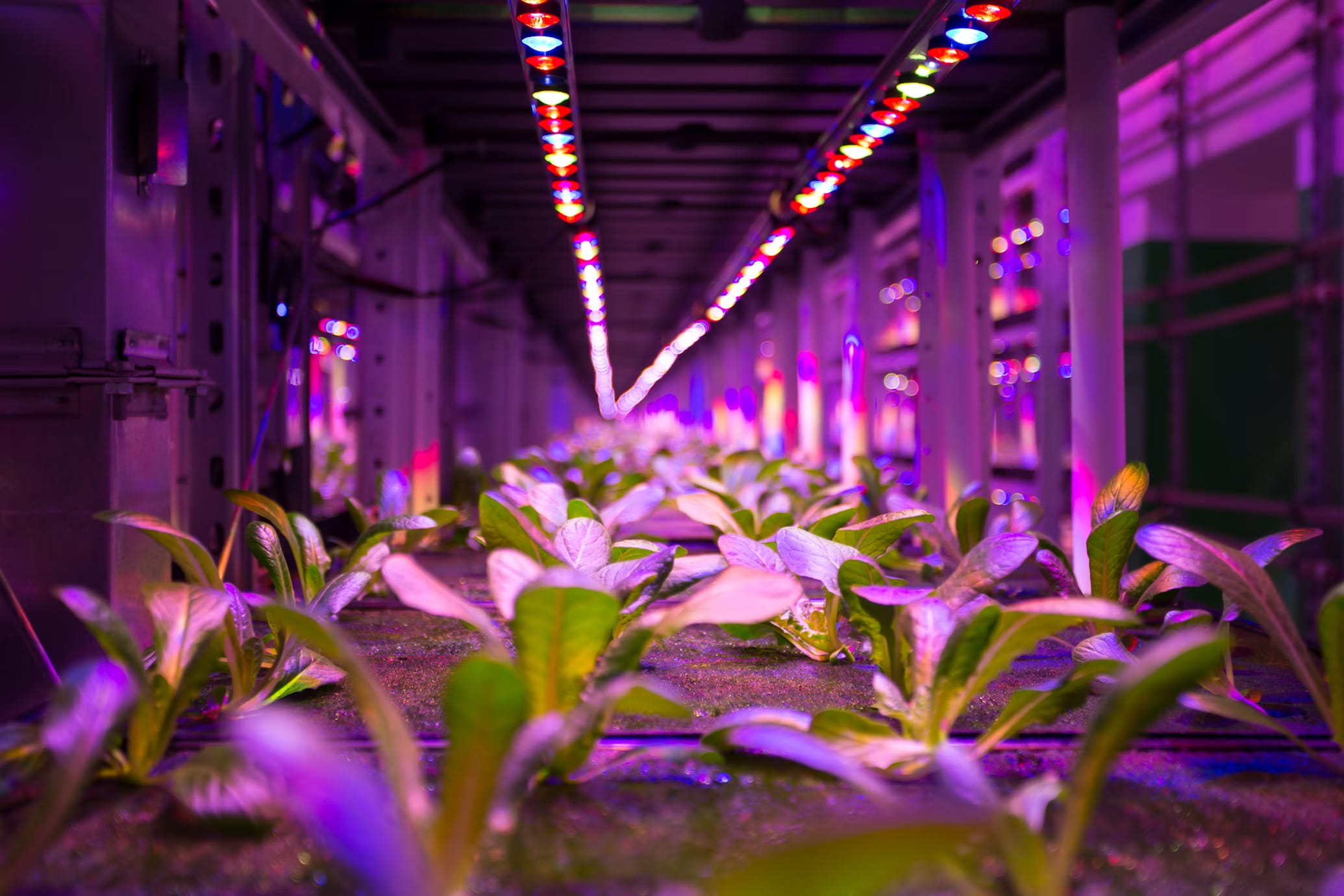
Nordic Harvest, Denmark - vertical farming and resource-efficient production
Nordic Harvest is a Danish vertical farming company based near Copenhagen. Its indoor growing system uses stacked production, controlled conditions and LED lighting to grow leafy greens close to consumers.
This example is useful because it shows sustainability at the production stage, before the product reaches processing, packaging or retail. It helps connect plant-based food with questions about land use, water use, energy, transport distance and year-round ingredient reliability.
The lesson is not that every food business should use vertical farming. The practical value is to look at ingredient supply more carefully. Some ingredients may be difficult to source reliably, travel long distances or create seasonal planning problems. Resource-efficient growing systems show how production choices can affect consistency, supply resilience and environmental impact. A useful action is to choose one ingredient and ask whether its supply could become more reliable, lower-impact or easier to plan.
Key takeaway:
Sustainability works best when it is practical, specific and connected to real business decisions.
Practical advice
Choose one sustainability issue linked to a real product or process.
Avoid broad claims unless you can explain them clearly.
Focus on actions that reduce waste, cost or resource use.
Keep evidence for any sustainability message you use.
Accessing this course requires a login. Please enter your credentials below!
Logging in is only required of you would like to track your progress and receive our Plant Power certification.
Enter your credentials below to begin tracking your progress.
We use cookies to ensure that we give you the best experience on our website. If you continue to use this site we will assume that you are happy with it.