Funded by the European Union. Views and opinions expressed are however those of the author(s) only and do not necessarily reflect those of the European Union or the European Education and Culture Executive Agency (EACEA). Neither the European Union nor EACEA can be held responsible for them.
3.2 Make the Product Retail-Ready
Estimated learning time
6 to 8 minutes
A product is retail-ready when it can move from production to shelf to customer use without losing quality, clarity or value. This means the product must do more than taste good during development. It must also perform well after storage, transport and handling.
Retail-ready products are built through testing. A recipe may work in a kitchen trial but behave differently when chilled, packed, reheated, opened or displayed. Texture may change, flavour may fade, packaging may leak or instructions may confuse customers.
Before approaching retailers or wider stockists, it helps to check:
Does the product taste good after storage?
Does the texture remain appealing?
Is the pack size realistic?
Are storage instructions clear?
Can the product be displayed safely?
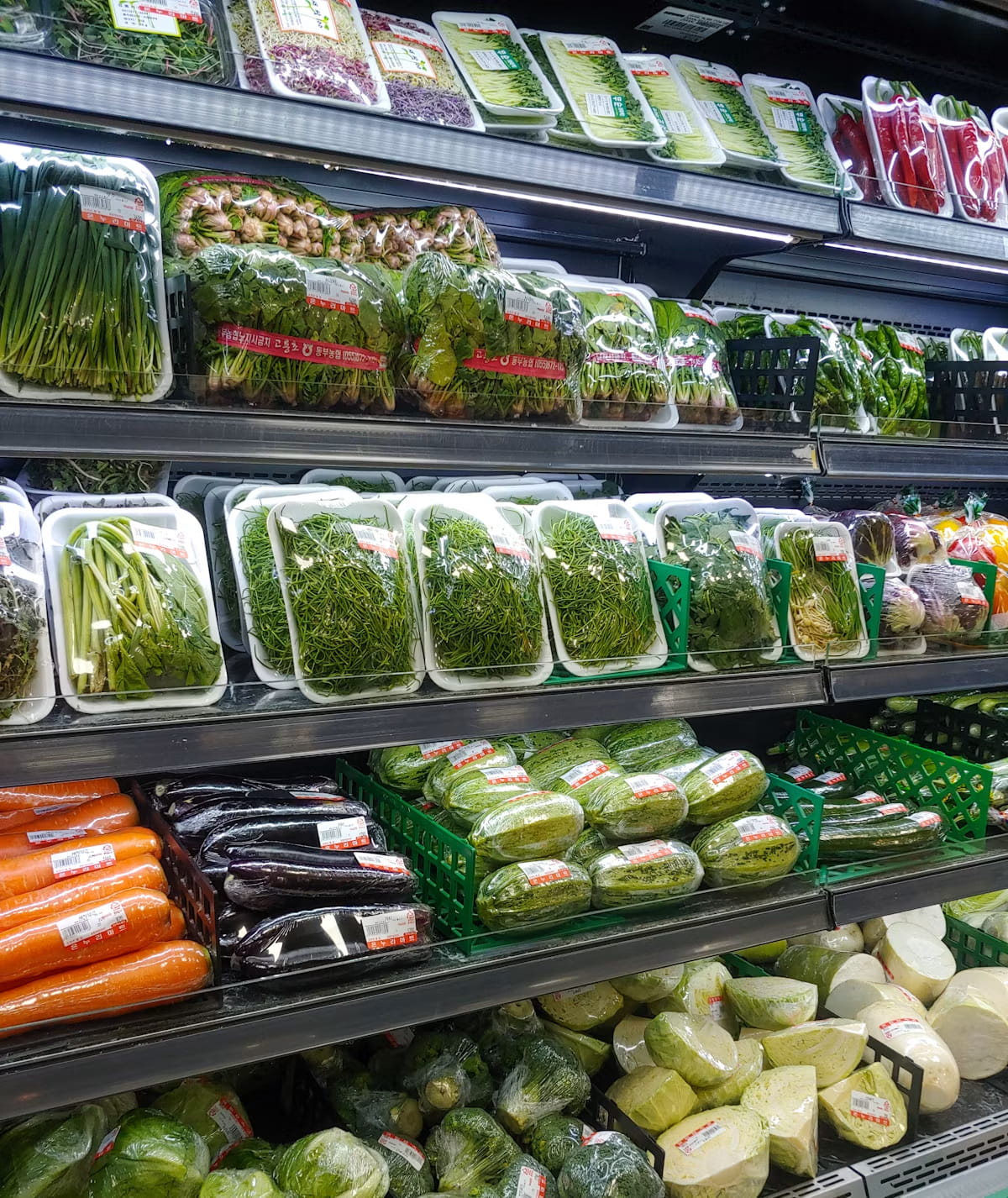
Does the product look appealing on shelf?
Is the ingredient list easy to understand?
Retail readiness also depends on consistency. Buyers need confidence that each batch will meet the same standard. This means recipes, production steps and quality checks should be documented clearly.
Convenience matters too. Many plant-based retail products succeed when they fit easily into familiar meals. Customers may be more willing to try something new when it comes in a format they already understand, such as a bowl, wrap, sauce, spread, snack, soup or dessert.
A retail-ready product should reduce uncertainty. The customer should quickly understand what it is, how to use it and why it is worth buying.
Is Your Product Retail-Ready?
1
Taste
Still tastes good after storage?
2
Texture
Still looks and feels appealing?
3
Packaging
Protected during transport and storage?
4
Instructions
Easy to prepare and understand?
5
Convenience
Fits everyday meals and routines?
6
Shelf Appeal
Looks clear and appealing on shelf?
Test
→
Check
→
Improve
→
Repeat
Small tests reduce bigger risks.
Huercasa, Spain: making vegetable-based products easy to use
Huercasa is a Spanish food company that grows, prepares and sells vegetable-based products for everyday meals. Its product range includes ready-to-use vegetables that make preparation faster and easier for customers.
This example is useful because it shows that plant-based retail success does not always depend on meat or dairy alternatives. Vegetables, pulses and grains can become stronger retail products when they are convenient, reliable and easy to use.
Huercasa’s approach focuses on familiar ingredients presented in a way that fits modern shopping and cooking habits. Customers do not need to start from scratch. They can use the product quickly in salads, bowls, side dishes, meals or shared plates.
The key lesson is that retail-ready products should remove effort. A product that saves time, reduces preparation steps or gives customers a ready starting point can create real value.
This is especially important for small food producers developing chilled, prepared or semi-prepared plant-based products. Convenience should not mean low quality. It can mean well-prepared ingredients, clear instructions, reliable texture and practical packaging.
Key takeaway:
Retail-ready products are built through testing, not guesswork. SMEs can reduce risk by checking taste, texture, appearance, nutrition, convenience and ingredient clarity before investing in larger production.
Practical advice
Test the product after storage or reheating, not only when freshly made.
Ask customers focused questions about taste, texture and ease of use.
Make product instructions simple and clear
Keep ingredients purposeful and easy to explain.
Improve one product issue at a time before scaling.
Accessing this course requires a login. Please enter your credentials below!
Logging in is only required of you would like to track your progress and receive our Plant Power certification.
Enter your credentials below to begin tracking your progress.
We use cookies to ensure that we give you the best experience on our website. If you continue to use this site we will assume that you are happy with it.