Funded by the European Union. Views and opinions expressed are however those of the author(s) only and do not necessarily reflect those of the European Union or the European Education and Culture Executive Agency (EACEA). Neither the European Union nor EACEA can be held responsible for them.
3.3 Choose Packaging and Shelf-Life Options That Fit Your Sales Route
Estimated learning time
5 to 7 minutes
Packaging is not only a design choice. It affects product safety, shelf life, storage, transport, waste and customer confidence. The right packaging should protect the food, fit the sales route and make the product easy to understand.
A chilled dip, frozen meal, snack pouch, bottled drink and fresh dessert will each need different packaging decisions. The best option is not always the most premium-looking or the most sustainable-looking. It is the option that protects the product properly and supports how it will be sold.
Packaging should be reviewed alongside:
shelf-life needs
storage temperature
transport distance
portion size
opening and resealing
allergen information
label space
waste and recyclability
Good packaging reduces damage, leakage, spoilage and confusion. It can also make a small brand look more professional in retail settings.
Sustainability matters, but claims should be accurate and specific. For example, “recyclable where facilities exist” is clearer than a broad claim such as “eco-friendly”. Packaging choices should balance food protection and environmental impact. If packaging fails to protect the product, waste may increase. The key question is: what does the product need to survive from production to customer use?
Choose Packaging That Fits The Product
Protect the product from production to customer use
Product Type
Best For
SME Check
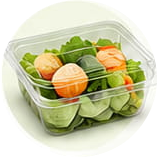
Chilled Packaging
Fresh meals, dips, wraps
Can refrigeration stay stable?
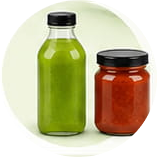
Bottles & Jars
Drinks, sauces, spreads
Is the pack easy to store and use?
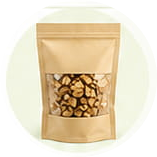
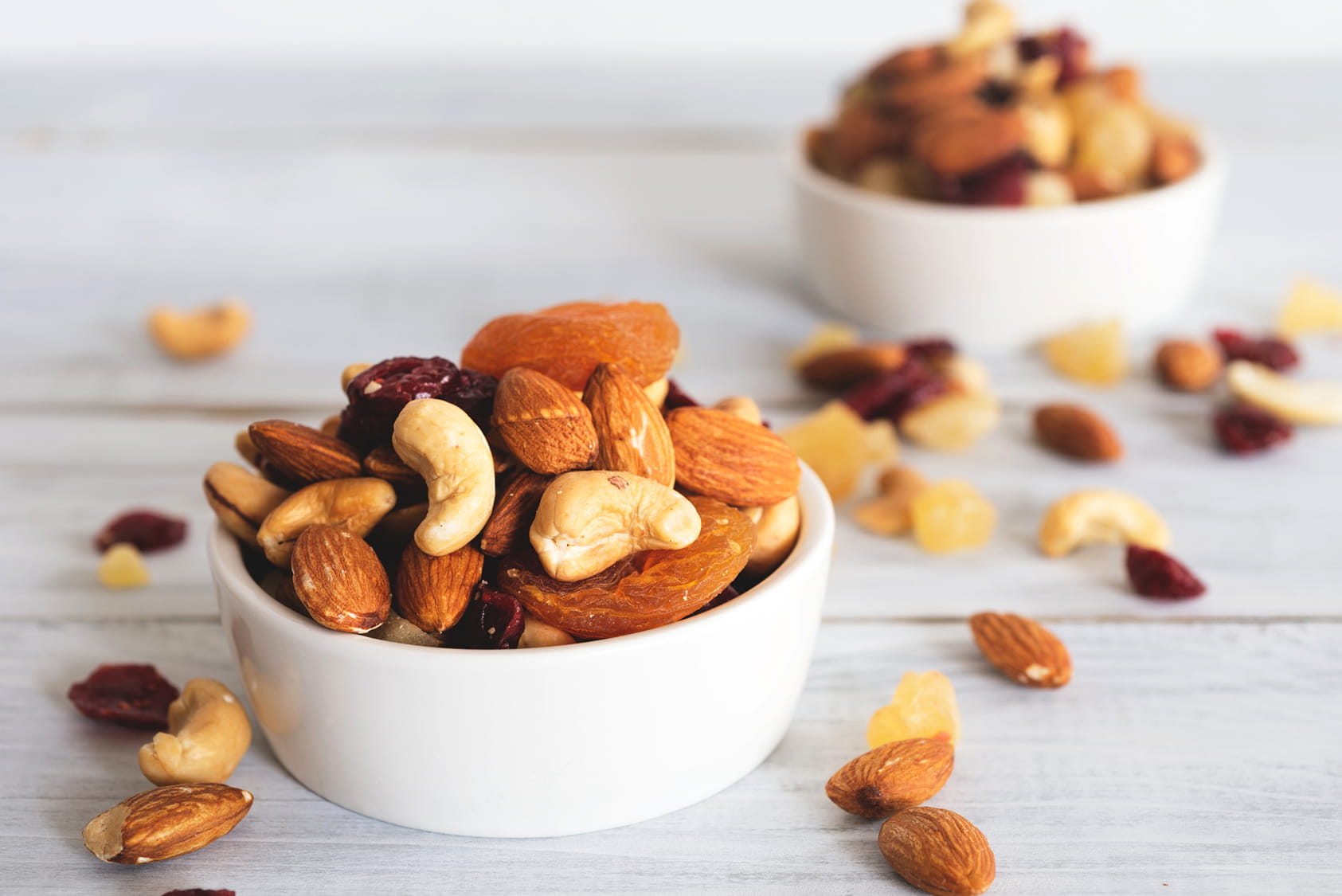
Snack Pouches
Dry snacks and easy transport
Does it protect freshness?
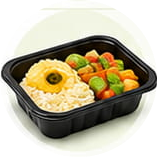
Ready-Meal Trays
Convenience meals
Does it survive reheating and transport?
Recyclable Packaging
Sustainability-focused products
Is the recycling guidance clear?
SME Tip
Test packaging in real storage, transport and shelf conditions before scaling production.
Orkla Foods Danmark develops food products for everyday retail and convenience markets, including vegetable-focused and plant-based options. Its work shows how packaging supports far more than appearance. It helps products travel, stay safe, remain practical and communicate clearly.
This example is useful because retail products need to perform across a full journey. A product may leave production in good condition, but packaging must continue protecting it through storage, transport, display and customer use.
Packaging also shapes customer expectations. A well-designed pack can show whether the product is chilled, ready-to-eat, heat-and-serve, resealable, family-sized or single-portion. These details influence whether people feel confident buying it.
For prepared plant-based foods, packaging must support the product’s real use. A sauce may need a jar or pouch. A salad bowl may need a secure lid. A chilled meal may need packaging suitable for reheating. A snack may need moisture protection
Key takeaway:
Good packaging protects product quality, supports the sales route and helps customers use the product correctly.
Accessing this course requires a login. Please enter your credentials below!
Logging in is only required of you would like to track your progress and receive our Plant Power certification.
Enter your credentials below to begin tracking your progress.
We use cookies to ensure that we give you the best experience on our website. If you continue to use this site we will assume that you are happy with it.