Funded by the European Union. Views and opinions expressed are however those of the author(s) only and do not necessarily reflect those of the European Union or the European Education and Culture Executive Agency (EACEA). Neither the European Union nor EACEA can be held responsible for them.
3.1 Match Products to Real Customer Needs
Estimated learning time
5 to 7 minutes
A plant-based retail product needs a clear customer need behind it. It is not enough for a product to be “plant-based”. It also needs to taste good, be easy to understand, fit into everyday routines and offer a clear reason to buy.
Different customers choose plant-based foods for different reasons. Some want convenient meals. Some are reducing meat or dairy. Some want healthier snacks. Some are interested in sustainability. Others are simply looking for something new that tastes good. A product becomes stronger when it is designed around one main customer need instead of trying to speak to everyone at once.
Before developing or improving a retail product, it helps to answer four simple questions:
Who is most likely to buy this?
When would they use it?
What problem does it solve?
What would make them buy it again?
A plant-based sauce, snack, dessert, spread or ready meal will each need a different approach. A snack may need strong shelf appeal and clear flavour. A ready meal may need convenience and portion value. A dairy alternative may need reliable performance in coffee, baking or cooking. A chilled dip may need freshness, storage clarity and serving ideas.
Design Products Around Customer Needs
1
Customer Need
→
2
Product Format
→
3
Use Occasion
→
4
Retail Message
Health & nutrition
→
High protein salads & bowls
→
Post-workout, high protein lunch
→
"High in protein for a healthy lifestyle."
Convenience & easy meals
→
Ready meals, wraps, sauces & snacks
→
Quick lunch, busy weeknight, on-the-go
→
"Easy, tasty meals for your busy day."
Sustainability & ethical choices
→
Local ingredients, responsible packaging
→
Everyday choices that support the planet
→
"Made with care for people and planet."
Great taste & familiarity
→
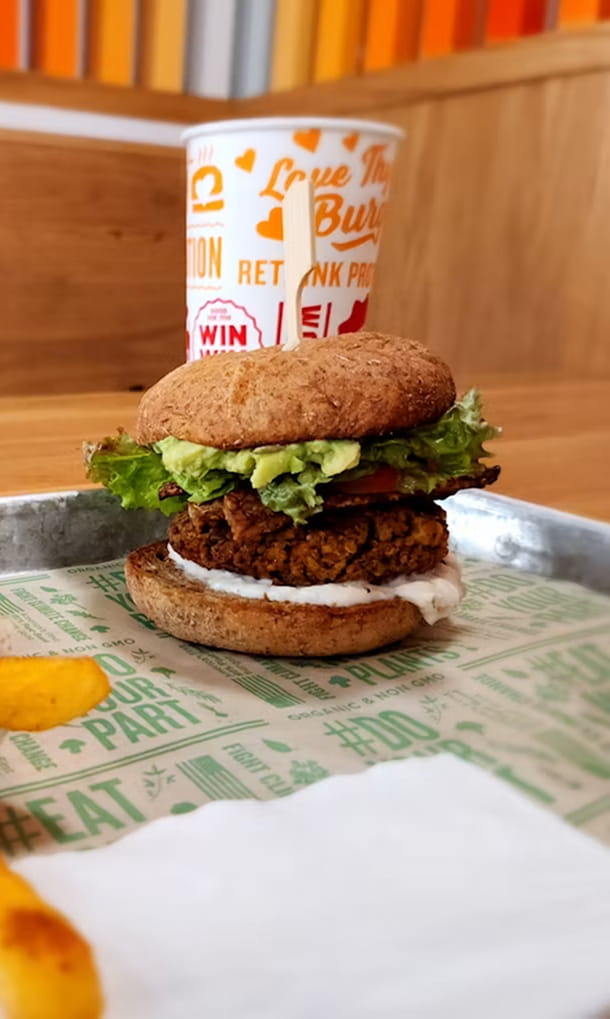
Burgers, pasta meals, soups & favourites
→
Family meals, comfort food, social eating
→
"Great taste you know and love."
Key Message
When you match customer needs with the right product format, use occasion and message, you create products people understand, trust and choose.
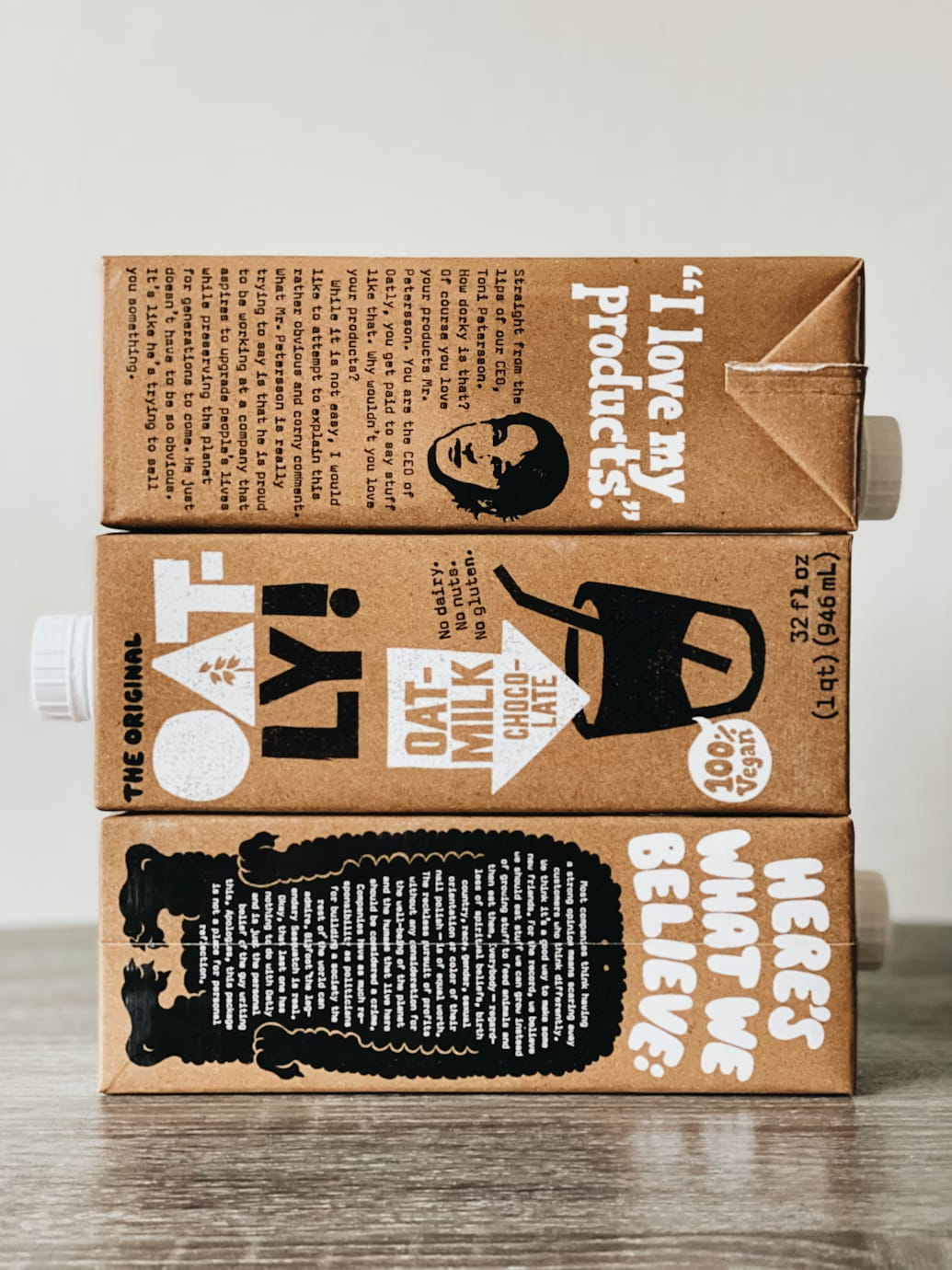
Oatly, Sweden: turning a plant-based product into a clear retail choice
Oatly is a Swedish oat-based food company known for making oat milk easy to understand, easy to use and easy to recognise in retail settings. Its success is not only based on using oats. It is also based on clear positioning, strong packaging, product performance and a simple customer promise.
Oatly shows how a plant-based product can grow when it solves a specific customer need. Its barista oat drink, for example, is not marketed only as a dairy-free option. It is positioned around performance in coffee, taste, texture and everyday use. This makes the product easier for cafés, retailers and customers to understand.
The lesson is that plant-based retail products need a clear role. A product may be healthy, sustainable and innovative, but customers still need to know when to use it and why it is worth choosing.
Retail buyers also need clarity. They need to understand the product category, customer demand, storage needs, price point and how the product will sit on shelf. A strong product idea becomes more convincing when the use case is obvious.
Key takeaway:
A plant-based opportunity is stronger when it starts with a clear customer need. Choose one customer group, one product idea and one realistic route to market before investing in wider development.
Practical advice
Do not try to appeal to every plant-based customer at once.
Start with one customer group and one product need.
Use customer insight before deciding on ingredients, packaging or claims
Choose a product format customers already understand.
Test the idea on a small scale before making major changes.
Accessing this course requires a login. Please enter your credentials below!
Logging in is only required of you would like to track your progress and receive our Plant Power certification.
Enter your credentials below to begin tracking your progress.
We use cookies to ensure that we give you the best experience on our website. If you continue to use this site we will assume that you are happy with it.