Funded by the European Union. Views and opinions expressed are however those of the author(s) only and do not necessarily reflect those of the European Union or the European Education and Culture Executive Agency (EACEA). Neither the European Union nor EACEA can be held responsible for them.
5.6 Test One Practical Sustainability Improvement
Estimated learning time
5 to 7 minutes
Sustainability becomes real when one specific improvement is tested and measured. Choosing a single change keeps the work manageable and produces evidence that can support honest communication, rather than broad claims the business cannot prove.
A practical test follows a clear sequence. Pick one improvement, such as reducing a particular waste stream, changing a packaging format or improving storage, set a simple measure, apply the change for a fixed period and compare the result with the previous situation. Measuring before and after turns a good intention into a verifiable outcome.
Good measures are simple and specific: kilograms of waste avoided, units of packaging reduced, spoilage rates, energy used per batch or surplus redistributed. These figures support clear sustainability messages and help decide whether the change is worth keeping or extending.
The practical method is to choose one improvement, record the starting point, apply the change, measure the result and keep it only if it delivers a real, measurable benefit. This builds a record of evidence that strengthens both operations and customer trust.
StoreField, Slovakia: measurable resource-efficient production
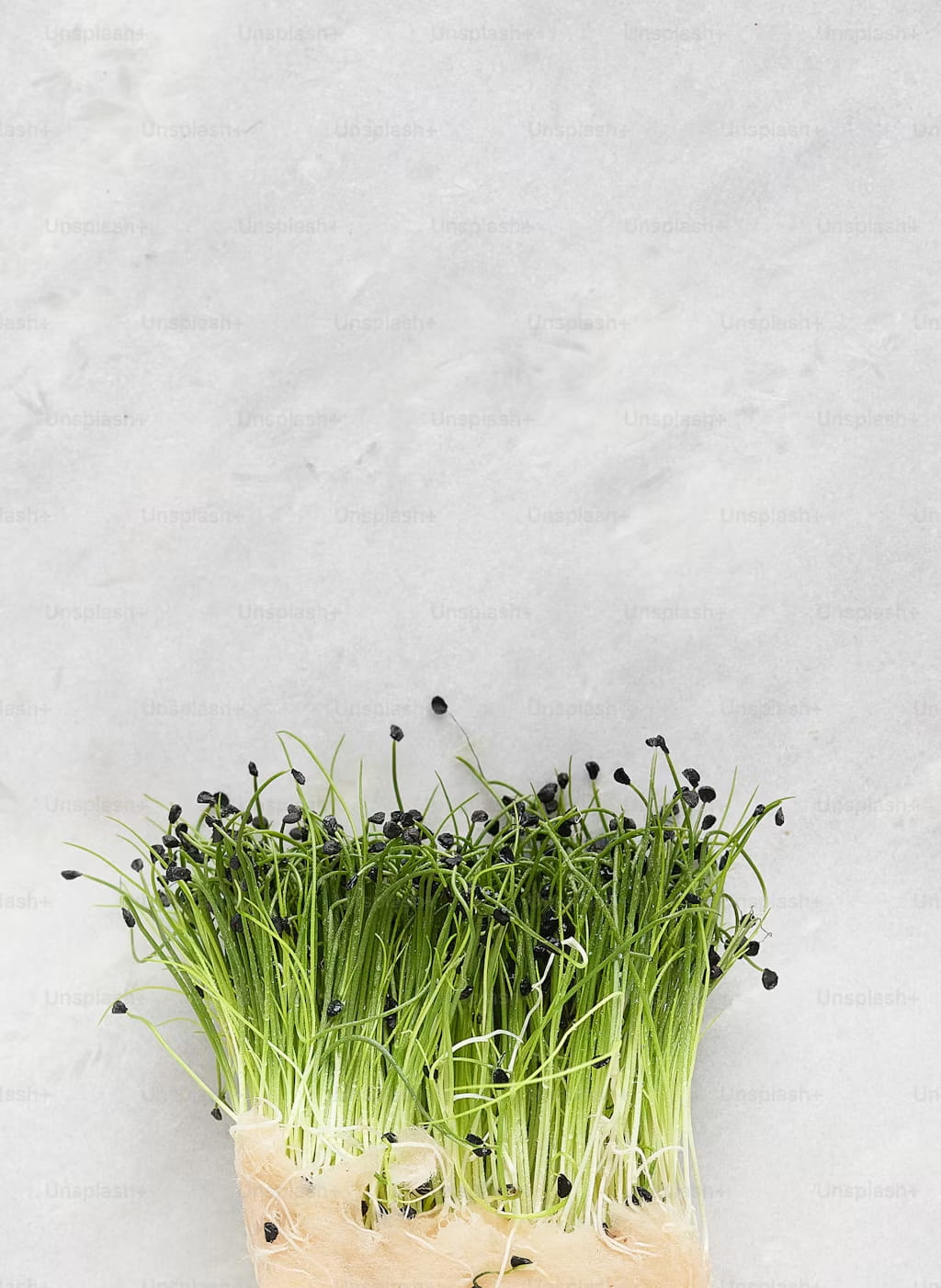
StoreField is a Slovak vertical farming startup that grows microgreens and herbs in compact towers placed directly in retail settings, under LED lighting and controlled conditions, so customers can harvest ultra-fresh produce on the spot. Its model is built around bringing measurable, resource-efficient production close to the consumer.
This example is useful because it shows sustainability expressed through measurable improvements rather than general claims. Controlled production allows specific resource use to be tracked, compared and improved, which is exactly the approach a smaller business can apply to a single change. The lesson is not that every business should adopt vertical farming. It is that a sustainability improvement should be chosen, measured and evidenced. Testing one practical change and recording the result makes sustainability credible and easier to communicate honestly.
Key takeaway:
Test one sustainability improvement and measure it. Recording a before-and-after result makes sustainability credible and supports honest communication.
Practical advice
Choose one specific sustainability improvement to test.
Record the starting point before making the change.
Apply the change for a fixed period and measure the result.
Keep the improvement only if the benefit is real and measurable.
Accessing this course requires a login. Please enter your credentials below!
Logging in is only required of you would like to track your progress and receive our Plant Power certification.
Enter your credentials below to begin tracking your progress.
We use cookies to ensure that we give you the best experience on our website. If you continue to use this site we will assume that you are happy with it.