Funded by the European Union. Views and opinions expressed are however those of the author(s) only and do not necessarily reflect those of the European Union or the European Education and Culture Executive Agency (EACEA). Neither the European Union nor EACEA can be held responsible for them.
5.5 Use Sustainability to Improve Everyday Operations
Estimated learning time
5 to 7 minutes
Sustainability creates the most value when it improves daily operations rather than sitting apart as a marketing message. Many sustainable choices, such as reducing spoilage, improving storage, using energy efficiently and cutting unnecessary packaging, also lower costs and make production run more smoothly.
Everyday operations offer many small opportunities. Better stock rotation reduces waste. Improved cooling extends shelf life. Right-sized packaging cuts material and transport. Clear production schedules reduce over-ordering. Each change is modest on its own, but together they improve both efficiency and environmental impact.
Framing sustainability as an operational improvement also makes it easier to sustain. Staff are more likely to maintain a change that clearly saves time, reduces waste or lowers cost than one that feels like an extra task. Measurable operational benefits give sustainability a practical reason to continue.
The practical step is to choose one routine operation, identify where it wastes energy, material or product, make one improvement and measure both the operational and environmental benefit. This connects sustainability directly to how the business runs every day.
Hausnatura, Slovakia: linking sustainability to how the business operates
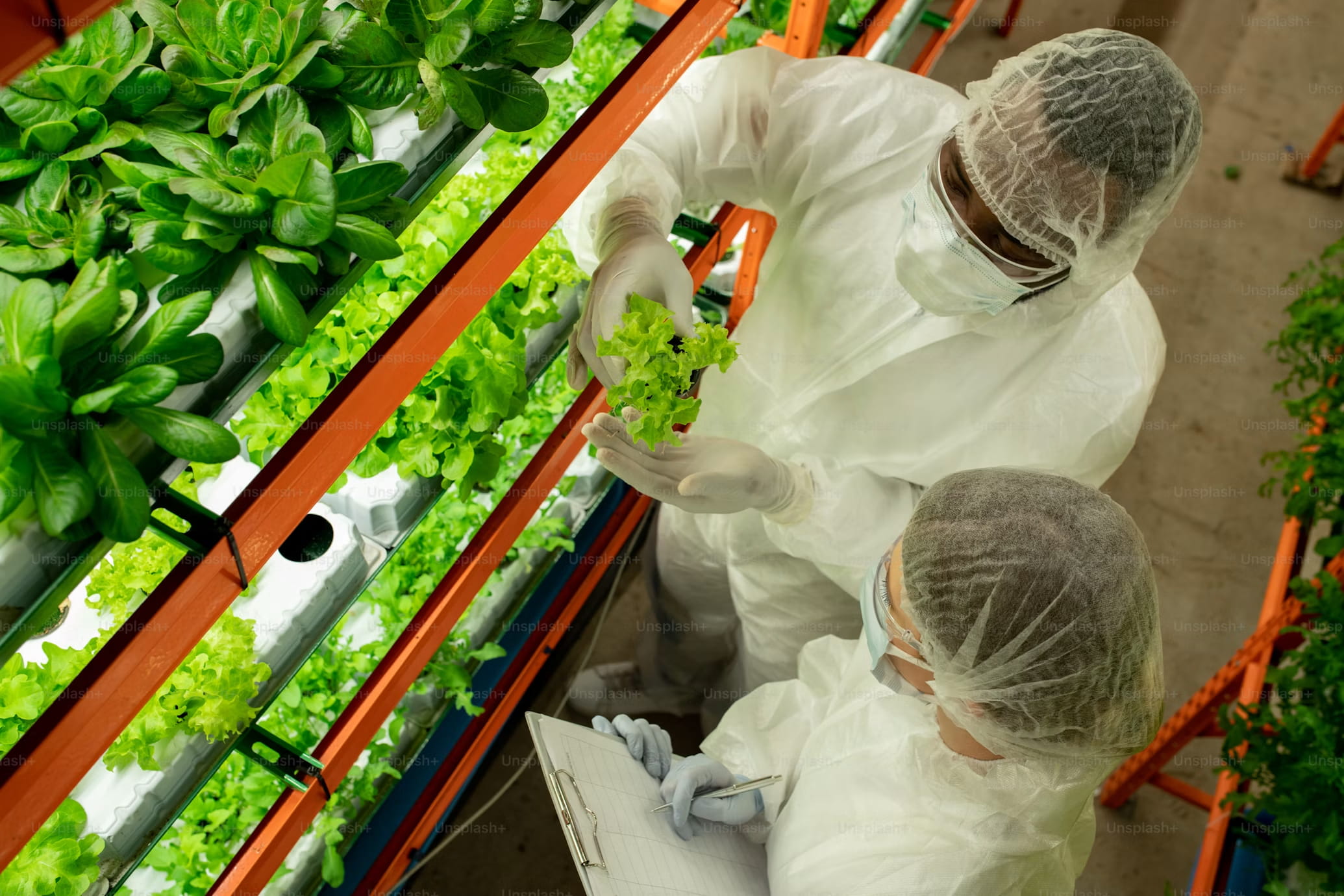
Hausnatura is a hydroponic farm in Bratislava, Slovakia, described as the first hydroponic farm in the country and the first with a low environmental footprint. It grows leafy greens and herbs such as kale, Swiss chard, lettuce and other produce, using a system the founder designed and built in-house, with automation to manage daily operations.
This example is useful because it shows sustainability built into everyday operations rather than added on afterwards. Growing produce locally, controlling water and energy use, and automating routine tasks reduce both running costs and environmental impact at the same time.
The lesson for a smaller business is that sustainability does not have to mean large, separate projects. Improving routine operations, such as growing or sourcing closer to customers, reducing resource use and using simple automation, can deliver both environmental and commercial benefits.
Key takeaway:
Sustainability is strongest when it improves daily operations. Changes that reduce waste, energy or material often lower costs and are easier to maintain.
Practical advice
Choose one routine operation to review.
Identify where it wastes energy, material or product.
Make one practical improvement and measure the benefit.
Keep changes that improve both efficiency and sustainability.
Accessing this course requires a login. Please enter your credentials below!
Logging in is only required of you would like to track your progress and receive our Plant Power certification.
Enter your credentials below to begin tracking your progress.
We use cookies to ensure that we give you the best experience on our website. If you continue to use this site we will assume that you are happy with it.