Funded by the European Union. Views and opinions expressed are however those of the author(s) only and do not necessarily reflect those of the European Union or the European Education and Culture Executive Agency (EACEA). Neither the European Union nor EACEA can be held responsible for them.
1.5 Build Customer Trust Through Clear Digital Communication
Estimated learning time
6 to 8 minutes
Online communication should make a product easier to find, understand and buy. Plant-based products often need clear explanation because customers, retailers and food service buyers may compare them with familiar alternatives. They may want to know what the product is made from, how it tastes, how it performs, where to buy it and why it is worth choosing.
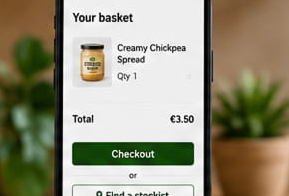
A strong digital presence does not require every platform. It requires the right information in the right place. A product page should explain the product clearly. A digital product sheet should help buyers check practical details. Social media should show use, flavour and customer context. An online shop or order form should make the next step obvious. Email updates can help keep stockists, cafés or regular customers informed.
Digital selling also supports consistency. If the same product description, images, allergen details and storage information are used across channels, customers and buyers receive a clearer message. This reduces confusion and saves time for the team. It also makes the business look more professional when approaching retailers, distributors or hospitality customers.
Digital selling: from attention to action
Guide customers through a simple online journey that builds confidence and makes it easy to choose your plant-based products.
1
Find
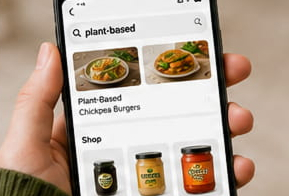
Customers see the product online, in search or on social media.
Be easy to find where your customers are looking.
2
Understand
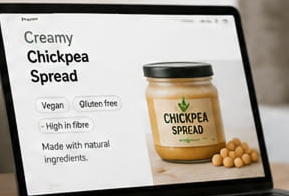
Clear photos, ingredients and use ideas reduce uncertainty.
Help customers understand what it is and how it fits their needs.
3
Decide
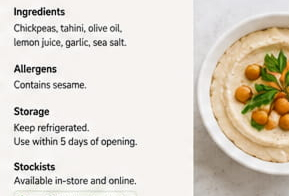
Price, storage, allergens and stockists are easy to check.
Give simple, trustworthy information to remove doubts.
4
Buy
Ordering, enquiry or stockist route is simple and visible.
Make the next step obvious and hassle-free.
Key takeaway
The aim is not to be everywhere online. The aim is to make the buying decision easier.
What helps turn attention into action?
High quality photos
Clear, honest information
Easy to compare and trust
Simple ordering or local access
Great service and follow-up
Vacka, Spain: helping customers understand and buy vegan cheese
Vacka is a Barcelona-based plant-based business that produces vegan cheeses. The business began as a restaurant, which gave the team direct contact with customers and helped them understand what people needed to know before choosing a plant-based cheese. The company now sells through retail, food service distributors and online channels.
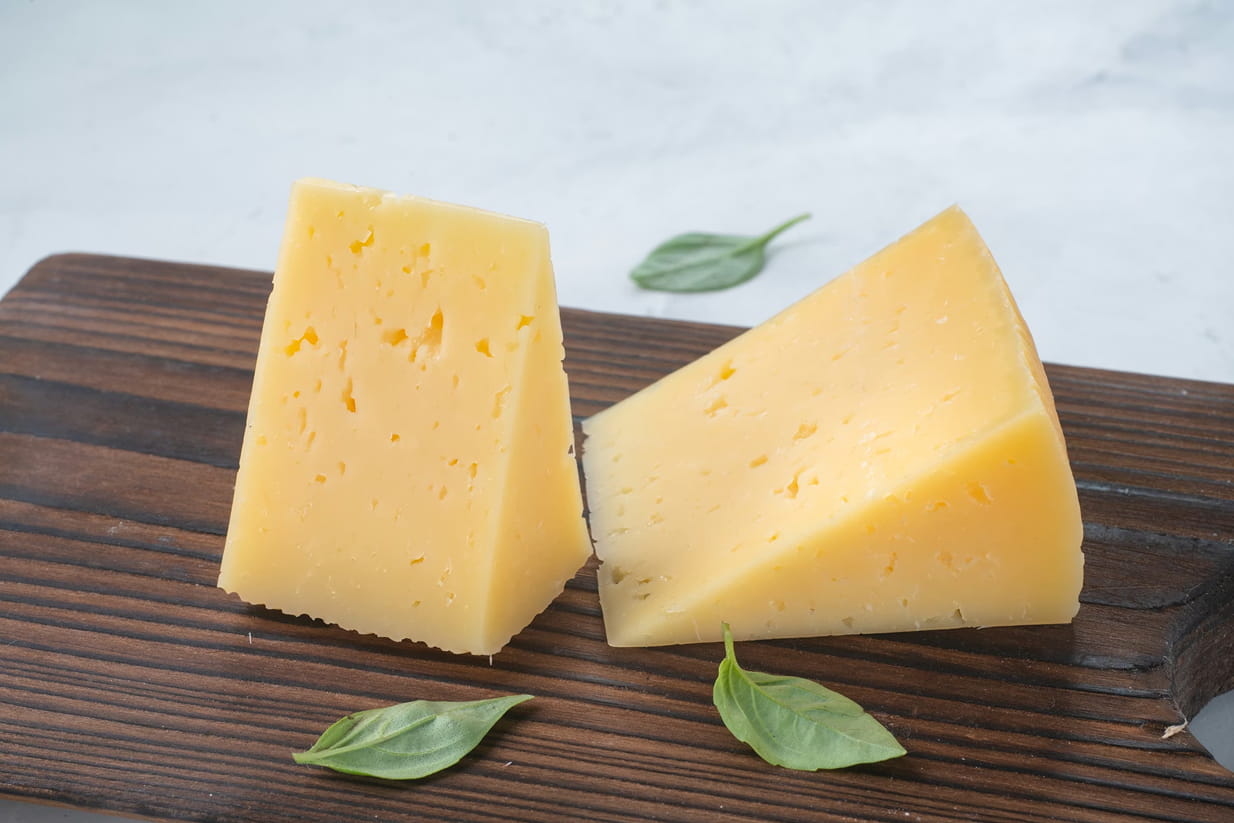
This example is useful for digital selling because vegan cheese can raise practical questions. Customers may want to know how it tastes, whether it melts, what it is made from, how to serve it and whether it works in familiar dishes. Restaurants and retailers may need additional information such as storage, shelf life, serving ideas, allergens, price point and delivery options.
Vacka shows that product innovation and communication need to work together. A good product still needs a clear route to understanding and purchase. Product photography, online product descriptions, recipes, food service information, stockist details and digital product sheets can all help move a potential buyer from curiosity to action.
The practical lesson is to review one existing product page, social media profile or buyer sheet and check whether it answers the key questions. If a customer sees the product online, can they quickly understand what it is, how to use it and where to get it? If a buyer is interested, can they find the details needed to make a decision?
Key takeaway:
Digital selling is about clarity. Online content should reduce uncertainty and make the next step easy for customers, retailers or food service buyers.
Practical advice
Create one clear product page for each main product.
Use consistent product names, images, ingredients, allergen details and storage information.
Show the product in use through recipes, serving ideas or short videos.
Make ordering, enquiries and stockist information easy to find.
Accessing this course requires a login. Please enter your credentials below!
Logging in is only required of you would like to track your progress and receive our Plant Power certification.
Enter your credentials below to begin tracking your progress.
We use cookies to ensure that we give you the best experience on our website. If you continue to use this site we will assume that you are happy with it.









 High quality photos
 Clear, honest information
 Easy to compare and trust
 Simple ordering or local access
 Great service and follow-up