

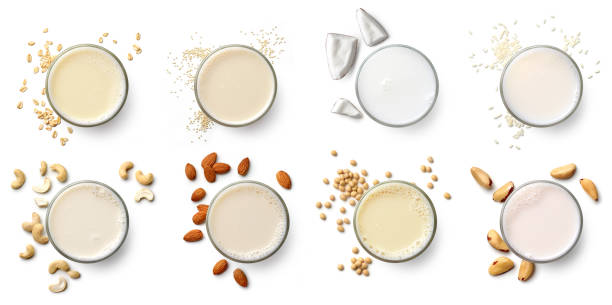
Plant-based food innovation continues to move quickly across Europe. From oat milk to almond drinks, meat alternatives and protein-rich snacks, consumers are increasingly looking for products that are not only plant-based, but also nutritious, sustainable and enjoyable.
A recent Euronews article highlighted one example of this shift: the rise of pea milk as a new area of plant-based innovation. The article features Greek scientist Angeliki Triantafyllou, winner of the 2026 European Inventor Award, and explores how pea-based products could offer high nutritional value while also supporting a smaller environmental footprint.
For the Plant Power project, this is exactly the kind of development that shows why plant-based food education matters.
Plant-based food is no longer just about following consumer trends. The sector is becoming more focused on creating products that are practical, appealing and ready for the market.
Consumers want plant-based products that taste good, support healthier choices and respond to wider sustainability concerns. At the same time, food businesses need the skills and confidence to develop products that can compete in a changing market.
Pea milk is a good example of this wider movement. It shows how plant-based innovation can bring together science, product development, sustainability and consumer demand.
For food SMEs, educators and learners, this shift creates both opportunities and challenges.
Developing a successful plant-based product is not only about having a good idea. It also requires knowledge of ingredients, nutrition, sustainability, digital tools, market positioning and consumer needs.
This is where Plant Power aims to make a difference. The project supports Europe’s food sector in adopting plant-based innovation and sustainability, with learning resources designed to help users build practical knowledge and confidence.
Through the Plant Power resources, learners can explore how to develop stronger, more sustainable and more market-ready plant-based food products. The materials are designed to support educators, trainers and food businesses in building the skills needed for innovation in this growing sector.
The rise of new products such as pea milk reminds us that plant-based innovation depends on more than technology alone. It depends on people having the right knowledge, tools and support to turn ideas into realistic products.
Plant Power helps support this by providing open-access learning materials, practical examples and an online course focused on plant-based product development. These resources can help learners and SMEs better understand the steps involved in creating products that are innovative, sustainable and relevant to the market.
As Europe continues to explore new plant-based ingredients and alternatives, education will play an important role in helping the sector grow in a responsible and sustainable way.
Pea milk may be one example, but it points to a much bigger message: the future of plant-based food will be shaped by products that combine creativity, nutrition, sustainability and market readiness.
Plant Power is proud to support this journey by helping learners, educators and food businesses gain the skills needed to take part in Europe’s plant-based food transition.