Funded by the European Union. Views and opinions expressed are however those of the author(s) only and do not necessarily reflect those of the European Union or the European Education and Culture Executive Agency (EACEA). Neither the European Union nor EACEA can be held responsible for them.
4.5 Turn Sustainability into a Practical Product Decision
Estimated learning time
5 to 7 minutes
Sustainability works best when it improves how the business operates rather than existing only as a marketing message.
For plant-based food businesses, sustainability decisions often connect to:
sourcing
waste reduction
packaging
energy use
ingredient efficiency
shelf life
transport
water use
Customers increasingly expect sustainability claims to feel realistic and evidence-based
Small operational changes can already create value:
reducing spoilage
improving storage
using by-products
reducing packaging waste
sourcing closer to production
improving ingredient efficiency
The strongest sustainability actions are usually practical, measurable and connected directly to the product.
Make Sustainability Practical
1
Source smarter
2
Use ingredients efficiently
3
Reduce packaging waste
4
Improve storage & transport
5
Reduce spoilage & waste
Small Changes = Real Impact
Lower waste
Better efficiency
Stronger trust
Practical Actions Can Support:
Lower costs
Better shelf life
Reduced waste
Stronger customer trust
SME Tip
Focus on one measurable improvement at a time.
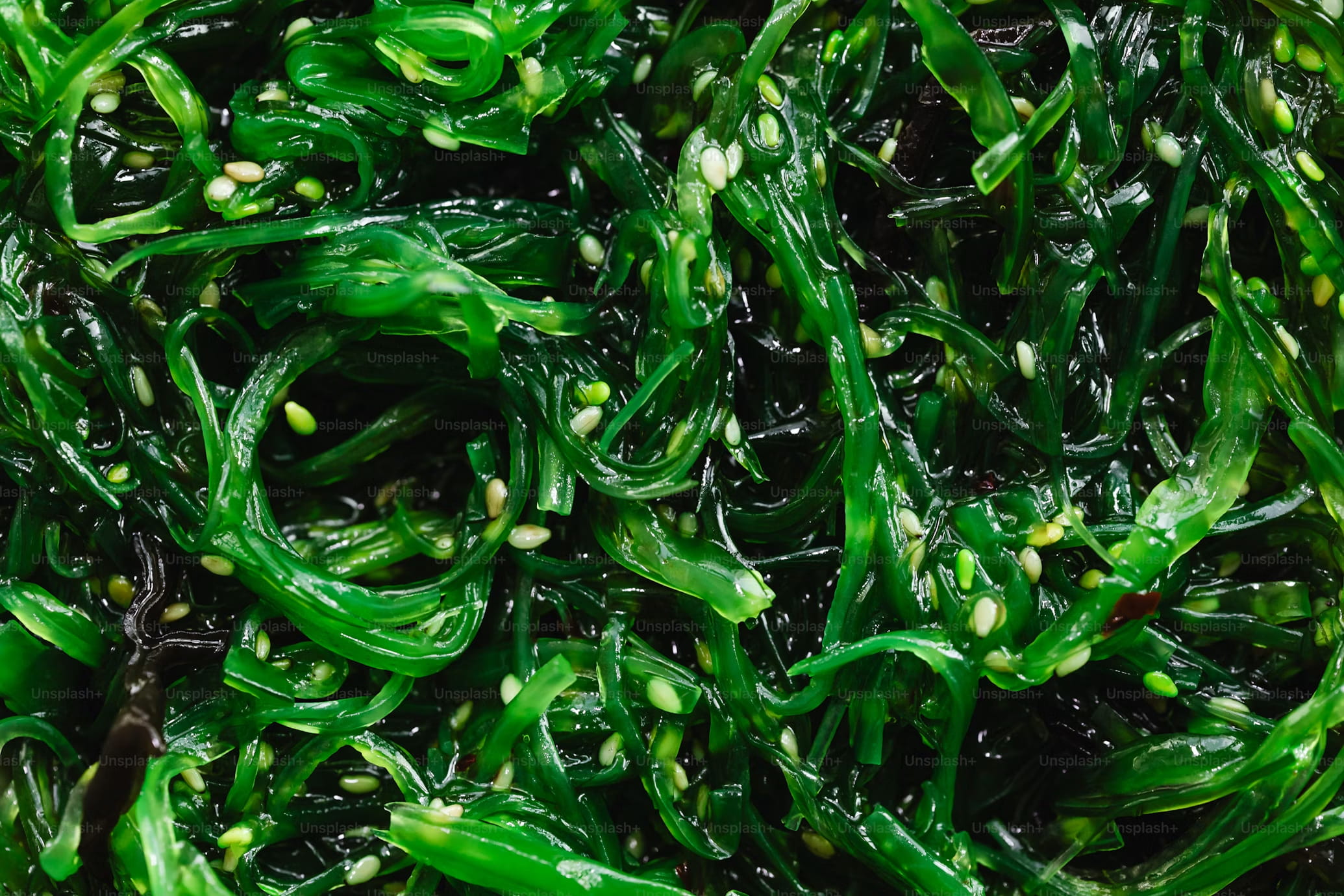
POSEIDONA, Spain: using recovered seaweed ingredients
POSEIDONA is a European project focused on recovering useful ingredients from seaweed and marine by-products to create food-grade ingredients for sustainable food systems.
This example is useful because it shows how sustainability can support innovation and ingredient development at the same time. Ingredients previously treated as waste or low-value materials may become useful components in future food production.
The lesson is not that every business should use seaweed. The important point is to look more carefully at underused ingredients, side streams and waste materials.
Key takeaway:
Sustainability creates stronger business value when it improves efficiency, reduces waste and supports realistic product decisions.
Practical advice
Identify one area where waste could be reduced.
Review whether ingredients are being used efficiently.
Accessing this course requires a login. Please enter your credentials below!
Logging in is only required of you would like to track your progress and receive our Plant Power certification.
Enter your credentials below to begin tracking your progress.
We use cookies to ensure that we give you the best experience on our website. If you continue to use this site we will assume that you are happy with it.