Funded by the European Union. Views and opinions expressed are however those of the author(s) only and do not necessarily reflect those of the European Union or the European Education and Culture Executive Agency (EACEA). Neither the European Union nor EACEA can be held responsible for them.
2.5 Learn from Traditional Plant-Based Food Methods
Estimated learning time
4 to 6 minutes
Many strong plant-based products are not new inventions. They are improved versions of food methods that already exist. Traditional techniques such as slow cooking, soaking, curing, preserving, fermenting and natural flavour development have been used for generations and often solve the same problems modern producers face: flavour, texture, digestibility and shelf life.
Learning from traditional methods can reduce reliance on artificial additives and complex processing. Pulses, grains, vegetables and seeds have long been prepared in ways that make them more appealing and easier to digest. These methods can give plant-based products a more natural character while still meeting modern expectations for convenience and consistency.
Tradition also supports trust. Customers increasingly value products that feel connected to craft, heritage and recognisable food culture. A product rooted in a familiar method can feel more authentic than one built only around novelty, which can make it easier to explain and easier to choose.
The practical step is to look at one existing product and ask whether a traditional method could improve it. Could soaking improve texture? Could slow preparation deepen flavour? Could a heritage recipe provide a clearer product story? The goal is to modernise a proven method, not to copy the past exactly.
Folláin, Ireland: modernising traditional preserving methods
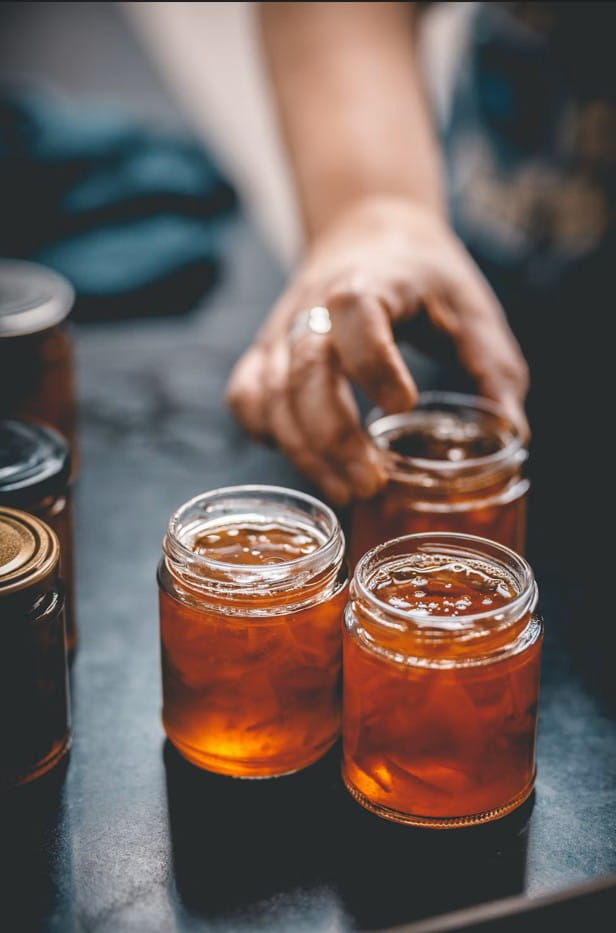
Folláin is a family-run Irish food company in West Cork that produces jams, relishes, chutneys and no-added-sugar preserves using natural ingredients. The business is recognised through Bord Bia’s Origin Green sustainability programme for its innovation and sustainability work.
This example is useful because preserving is a traditional method that still solves modern problems. Careful preparation, natural ingredients and proven techniques help create products with longer shelf life, clear flavour and strong customer trust, without depending on heavy processing or artificial additives.
Folláin shows how heritage methods can support commercial innovation. Improving quality, reducing added sugar and communicating natural ingredients clearly turns a traditional product category into something that fits current customer expectations. The lesson is that a familiar method, applied well, can become a genuine point of difference.
Key takeaway:
Traditional food methods can improve flavour, texture, shelf life and trust. Modernising a proven technique is often more effective than inventing something entirely new.
Practical advice
Identify one traditional method relevant to your product.
Test whether it improves flavour, texture or shelf life.
Use heritage and craft to support a clearer product story.
Modernise the method for convenience without losing authenticity.
Accessing this course requires a login. Please enter your credentials below!
Logging in is only required of you would like to track your progress and receive our Plant Power certification.
Enter your credentials below to begin tracking your progress.
We use cookies to ensure that we give you the best experience on our website. If you continue to use this site we will assume that you are happy with it.