Funded by the European Union. Views and opinions expressed are however those of the author(s) only and do not necessarily reflect those of the European Union or the European Education and Culture Executive Agency (EACEA). Neither the European Union nor EACEA can be held responsible for them.
2.1 Improve Plant-Based Products Through Better Processing
Estimated learning time
3 to 5 minutes
Plant-based food products often succeed or fail because of processing rather than ingredients alone. A product may have strong flavour and good nutritional value but still struggle because of texture inconsistency, separation, spoilage, poor stability or short shelf life. Small improvements in processing can help create products that are easier to produce, easier to transport and easier for customers to trust.
Processing improvements do not always require expensive factory equipment. In many cases, businesses create value through better timing, clearer measurements, more stable temperatures, improved cooling or more consistent filling and sealing methods. These small adjustments can improve product quality while reducing avoidable waste.
Plant-based products can be sensitive to moisture, oxygen and temperature changes. Sauces may split during storage, chilled products may spoil quickly and bakery items may lose texture after packaging. These issues affect customer confidence and repeat purchase.
A useful starting point is to identify where product quality changes most often:
during production
during transport
during refrigeration
after opening
during retail display
This allows processing improvements to focus on a real operational issue rather than changing the full product unnecessarily.
Many businesses also discover that processing improvements support sustainability goals indirectly. More stable products reduce waste, improve stock management and make distribution more efficient.
The strongest production systems are usually the clearest ones. Staff should understand:
exact measurements
timings
storage requirements
temperature controls
cleaning procedures
packaging standards
Hiperbaric, Spain: improving shelf life through pressure technology
Hyperbaric is a Spanish food technology company specialising in High Pressure Processing (HPP), also called High Hydrostatic Pressure processing. Instead of using high heat, the technology uses cold water pressure to help preserve food while maintaining flavour, colour and nutritional quality.
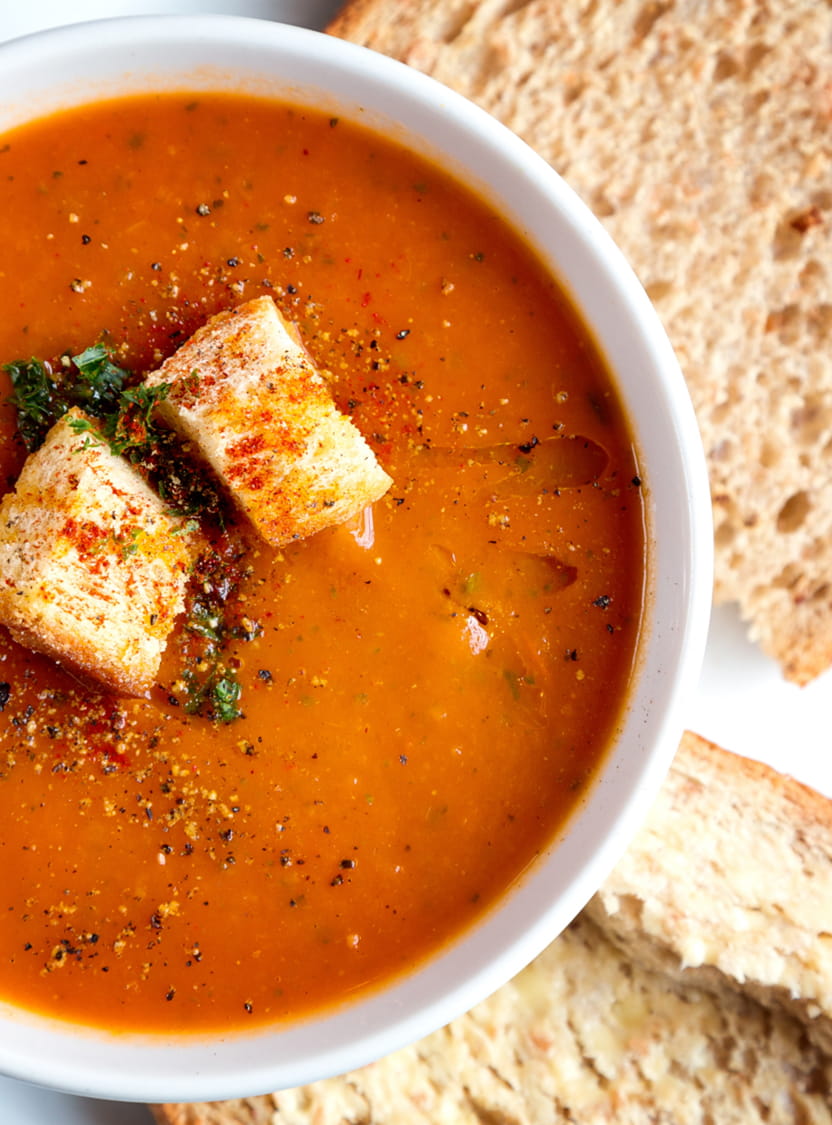
This matters because many plant-based products depend on freshness, texture and clean flavour. Traditional heat processing can sometimes affect sensory quality, particularly in chilled sauces, soups, dips and drinks. Pressure-based preservation allows products to remain safer and more stable while staying closer to their original taste and appearance.
The important lesson is not that every business should invest in industrial pressure systems. The real value comes from understanding how processing choices influence shelf life, waste levels and customer perception.
Businesses often focus heavily on recipe development but spend less time thinking about how products behave after production. Processing methods help determine whether a product can realistically survive transport, retail storage and customer use.
This helps identify where small processing improvements could create the biggest commercial benefit.
Key takeaway:
Better processing improves consistency, shelf life and customer confidence while reducing avoidable waste.
Practical advice
Identify one repeated quality issue before changing the full process.
Standardise measurements, timings and storage procedures.
Review where spoilage or inconsistency happens most often.
Match processing decisions to product type and sales route.
Accessing this course requires a login. Please enter your credentials below!
Logging in is only required of you would like to track your progress and receive our Plant Power certification.
Enter your credentials below to begin tracking your progress.
We use cookies to ensure that we give you the best experience on our website. If you continue to use this site we will assume that you are happy with it.